Who Really Broke Affordability in Washington?
Both Parties Played a Role. One Has Controlled the State While It Happened.
By: Jessie Simmons
The Government Affairs Desk
Category: Affordability & Cost of Living
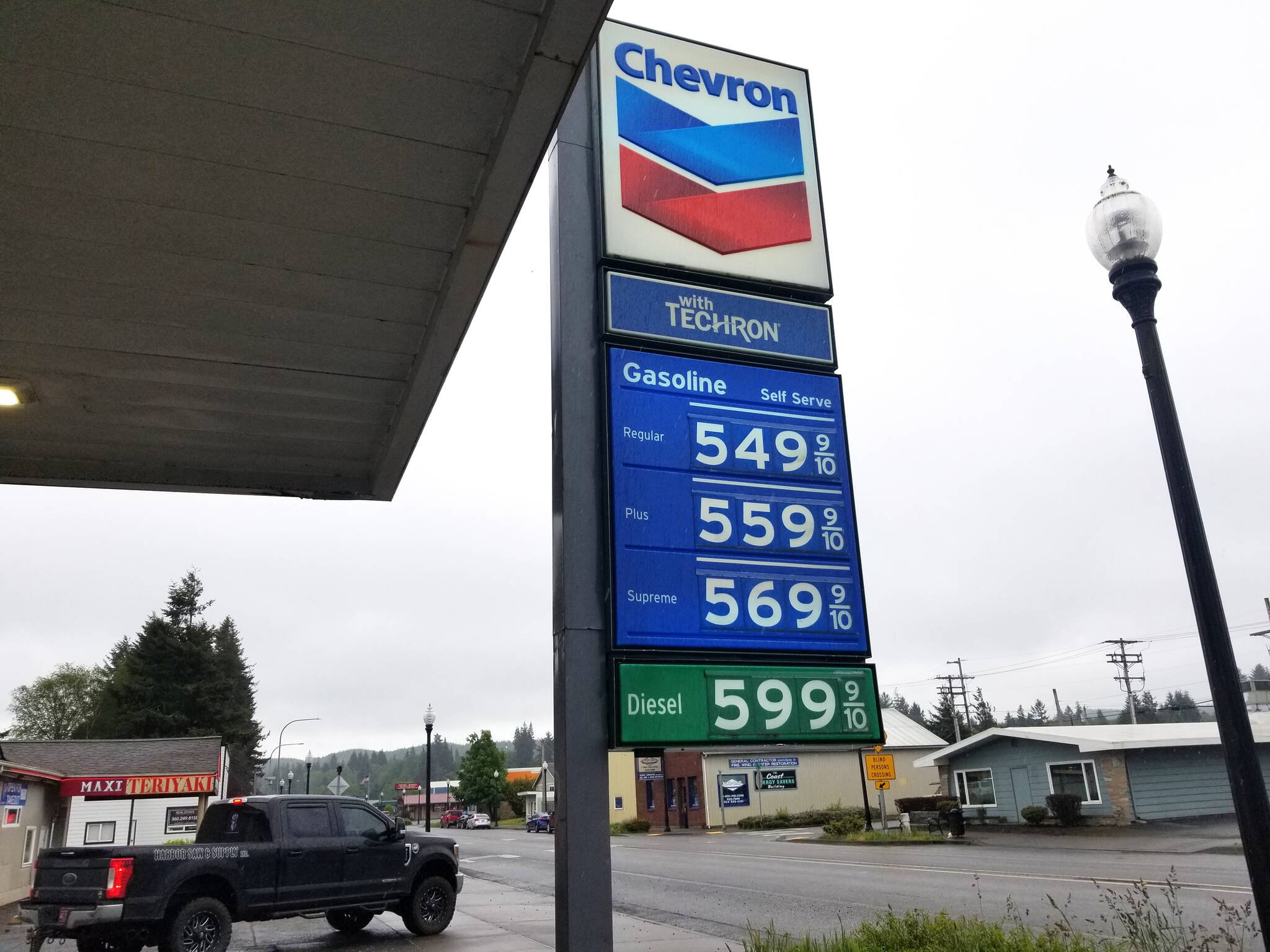
Washington’s affordability crisis did not happen by accident, and it did not come from Washington, D.C. alone. While state Democrats increasingly point to Trump-era tariffs and national economic forces to explain why families are struggling, the reality is more complicated and far closer to home. Years of state and local policy decisions, made under unified Democratic control and enabled by long-standing Republican avoidance of structural reform, have shaped the cost of living Washington residents face today. Understanding that shared responsibility is the first step toward fixing what is broken.
Washington has become one of the most expensive states in the country to live, work, and raise a family. Housing costs dominate household budgets. Child care rivals rent. Energy and transportation costs remain among the highest in the nation. Taxes and fees quietly accumulate. These pressures are not abstract. They show up every month in bank statements and credit card bills.
Blaming tariffs for this reality is politically convenient, but economically incomplete.
Why Democrats carry the larger share of responsibility
Democrats have governed Washington during the period when affordability deteriorated most sharply. They control the Governor’s office, both chambers of the Legislature, most regulatory agencies, and nearly every large city where cost pressures are most acute. That control matters because affordability is not driven by a single decision. It is driven by policy accumulation.
Over the past decade, Democratic leadership advanced and defended choices that raised the baseline cost of living. These include expanding taxes and fees, layering climate-related compliance costs onto fuel, energy, and construction, supporting rent stabilization without fully neutralizing investment risk, and relying heavily on subsidies and credits to manage rising costs rather than reducing those costs at the source.
Democrats have also passed meaningful reforms, especially in housing. Zoning reform, middle housing legalization, parking reform, and permit streamlining were real steps forward. But those gains were often offset by other policies that increased costs, or by local implementation practices that quietly reintroduced barriers after the Legislature acted.
That is why recent efforts by Democratic leaders to attribute Washington’s affordability crisis primarily to national forces like tariffs ring hollow. Tariffs may raise the price of some imported goods, but they do not explain why housing, energy, child care, healthcare, and taxes are so expensive here. Those costs are shaped overwhelmingly by decisions made in Olympia and at the local level.
Where Republicans share responsibility
Republicans did not design most of Washington’s modern regulatory and tax structure. But they helped create the conditions that allowed it to persist and, in some cases, deepen.
For decades, many Washington Republicans resisted land use reform, opposing density increases and zoning changes on principle. That resistance contributed to a long-running housing shortage that later exploded into a full-blown affordability crisis as population and job growth accelerated. By the time bipartisan momentum formed around housing reform, the gap between supply and demand was already severe.
In recent years, Republicans have often positioned themselves as critics of taxes and regulation without assembling durable governing coalitions capable of rolling back existing cost drivers. In a minority-party role, voting no can be politically useful but rarely changes outcomes. As a result, many Republican affordability proposals are symbolic rather than transformative.
Republicans have also been inconsistent in confronting local government behavior. City-level design mandates, discretionary review, escalating impact fees, and utility connection practices are among the most powerful affordability drivers in Washington. Yet Republican leaders have often focused their criticism on Olympia while avoiding sustained challenges to local policies, including in jurisdictions where Republicans themselves hold office.
The bipartisan failure to solve the problem
The most important shared failure is this: both parties have largely accepted affordability as something to be managed, not solved.
Democrats manage affordability by expanding credits, subsidies, and programs designed to help households survive rising costs. Republicans manage affordability by opposing new taxes rhetorically while stopping short of dismantling the structural drivers of those costs.
The result is a political equilibrium where prices continue to rise, government grows to cushion the impact, families feel increasingly squeezed, and both parties insist the other is to blame.
This dynamic also explains why external scapegoats are so appealing. Blaming federal tariffs, global markets, or national politics allows state leaders to avoid confronting the uncomfortable truth that Washington’s affordability crisis is largely self-inflicted.
Why the tariff argument persists
Tariffs do raise prices on certain goods. That is supported by economic research. But goods inflation is not what is breaking family budgets in Washington.
What breaks budgets is rent going up hundreds of dollars a month. It is child care costing as much as a mortgage. It is higher utility bills, fuel prices, insurance premiums, and taxes that never seem to go down.
When leaders emphasize tariffs while downplaying state and local policy, they are not making an economic argument. They are making a political one. It is far easier to blame Washington, D.C., than to acknowledge how state taxes, regulatory layering, land use policy, and energy decisions shape everyday life here.
Both parties benefit from this deflection. Democrats avoid accountability for policies they championed. Republicans get a familiar national villain without having to explain why affordability kept worsening even when tariffs were not the issue.
What real bipartisan accountability would look like
If Washington’s leaders were serious about affordability, the agenda would look different and it would make both parties uncomfortable.
It would enforce housing reforms against local obstruction and limit the ability of jurisdictions to re-add costs through implementation. It would standardize and discipline impact fees and utility connection charges. It would reduce permitting delays and litigation risk for compliant infill housing. It would align climate policy with energy reliability and price stability rather than treating affordability as an afterthought. It would pause new state-created cost adders during periods of fiscal stress and shift the focus from permanent subsidies to structural cost reduction.
None of these ideas fit neatly into partisan talking points. All of them require confronting entrenched interests and long-standing assumptions. That is why progress has been slow.
The honest conclusion
Democrats are more responsible for Washington’s affordability crisis because they have governed during its escalation and designed many of the policies that raised costs.
Republicans share responsibility for resisting early supply reforms, settling into symbolic opposition, and failing to consistently challenge local cost drivers.
Washington’s affordability crisis is not the result of malice or incompetence by one party. It is the product of years of political incentives that rewarded spending, symbolism, and blame shifting over discipline and follow-through.
Until both parties are willing to acknowledge their role in creating the problem, Washington families will continue to pay the price.
